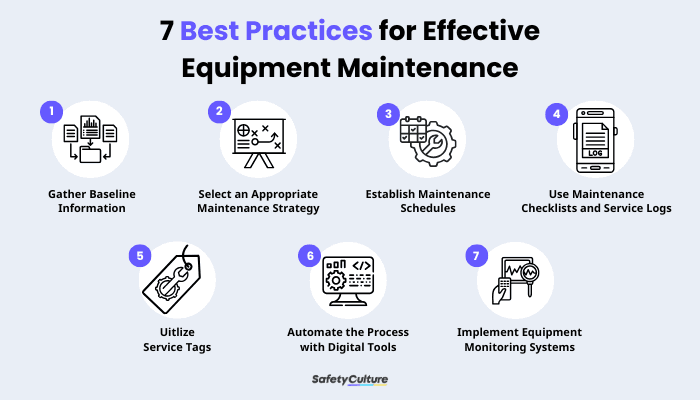
Are your tools and equipment always ready when you need them? Proper maintenance is the key to making sure they work smoothly and last longer.
But do you know the basic rules you must follow to keep everything in top shape? Understanding the general requirements for tools and equipment maintenance can save you time, money, and frustration. You’ll discover simple, practical steps you can take right now to protect your tools and keep your work running without a hitch.
Keep reading—your tools will thank you for it!
Importance Of Regular Maintenance
Regular maintenance is not just a routine task; it plays a crucial role in keeping your tools and equipment in top shape. Neglecting maintenance can lead to unexpected breakdowns, increased costs, and safety hazards. By staying consistent with upkeep, you extend the lifespan of your equipment and improve overall efficiency.
Preventing Costly Repairs
Regular checks help you catch small issues before they turn into expensive repairs. For example, tightening loose bolts or lubricating moving parts can prevent major malfunctions. Have you ever faced a breakdown that halted your work? Most often, a simple inspection could have avoided it.
Ensuring Safety At Work
Tools and machines in poor condition can be dangerous. Worn-out parts or faulty wiring increase the risk of accidents. Keeping your equipment maintained protects not only your tools but also your health and safety on the job.
Improving Performance And Efficiency
Well-maintained equipment works better and faster. Regular cleaning and adjustments can improve accuracy and reduce energy consumption. Think about how much smoother your work flows when everything operates as it should.
Extending Equipment Lifespan
Consistent maintenance helps your tools last longer, saving money over time. Instead of replacing equipment frequently, you keep them functional and reliable. Would you rather invest a little time in maintenance or spend a lot on new tools?
Supporting Compliance And Standards
Many industries require regular equipment maintenance to meet safety and quality standards. Staying compliant prevents legal issues and fines. Do you know the maintenance guidelines specific to your tools?
Safety Considerations
Safety is a top priority in tools and equipment maintenance. Proper safety measures prevent accidents and injuries. Workers should always follow safety rules during maintenance tasks. Safe practices protect both the person and the equipment.
Personal Protective Equipment (ppe)
Wearing the right PPE is essential. Gloves, goggles, and helmets protect against hazards. Use ear protection in noisy environments. Always check PPE condition before use.
Equipment Lockout And Tagout
Lockout and tagout procedures stop equipment from starting unexpectedly. This keeps workers safe during repairs. Always verify the equipment is powered off. Attach tags to warn others of maintenance work.
Proper Tool Handling
Use tools only for their intended purpose. Avoid using damaged or worn tools. Store tools safely after use. Keep tools clean to ensure safe operation.
Work Area Safety
Keep the work area clean and free of hazards. Remove spills and debris immediately. Ensure good lighting for clear visibility. Mark unsafe zones with signs or barriers.
Training And Awareness
Workers need training on safe maintenance procedures. Regular safety briefings improve awareness. Encourage reporting of unsafe conditions. Update training as tools and equipment change.
Creating A Maintenance Schedule
Creating a maintenance schedule is essential for keeping tools and equipment in good working condition. A well-planned schedule helps prevent breakdowns and extends the life of your assets. It also ensures that maintenance tasks are performed regularly and on time.
Without a clear schedule, tools might be neglected or overused. This leads to costly repairs or replacements. A maintenance schedule organizes tasks by frequency and priority. It assigns responsibilities and tracks completed work. This systematic approach improves safety and efficiency.
Assessing Equipment Needs
Start by listing all tools and equipment. Note their usage rates and conditions. Identify which items need frequent checks and which require less attention. Consider manufacturer guidelines for maintenance intervals. This helps create realistic schedules tailored to each tool.
Setting Maintenance Frequency
Determine how often each tool requires maintenance. Some may need daily checks, others monthly or yearly servicing. Use categories such as:
- Daily or before use
- Weekly
- Monthly
- Quarterly
- Annually
Adjust frequency based on the tool’s importance and usage intensity. Regular checks reduce the risk of sudden failures.
Assigning Responsibilities
Assign clear roles for maintenance tasks. Specify who will perform inspections, cleaning, repairs, or replacements. This ensures accountability and consistent care. Train staff to recognize common problems and report issues promptly.
Tracking And Documentation
Keep detailed records of all maintenance activities. Use logs or digital tools to track dates, tasks performed, and notes. Documentation helps spot recurring problems and supports planning future maintenance. It also provides proof of compliance with safety standards.
Inspection Procedures
Inspection procedures are key to keeping your tools and equipment in top shape. They help spot problems early before they turn into costly repairs or safety hazards. Regular inspections also extend the life of your gear and ensure it performs reliably every time you need it.
Visual Inspection
Start with a close look at your tools and equipment. Check for cracks, rust, loose parts, or any visible damage. Pay special attention to handles, cords, and moving parts where wear and tear often show up first.
Use good lighting and take your time. Sometimes small issues hide in plain sight. Have you ever missed a tiny crack that later caused a bigger failure? Catching these early can save you from unexpected breakdowns.
- Look for corrosion on metal surfaces
- Inspect for frayed wires or damaged plugs
- Check bolts, screws, and fasteners for tightness
- Examine protective guards and safety features
Functional Testing
After visual checks, put your equipment through its paces. Turn it on and test all functions to ensure everything works as expected. This step can reveal issues that aren’t obvious just by looking.
For example, a power tool might look fine but fail to reach full speed or make unusual noises during operation. Functional testing lets you catch these performance problems early.
- Operate all switches and controls
- Listen for unusual sounds or vibrations
- Test safety mechanisms like emergency stops
- Confirm equipment responds correctly to commands
How often do you test your tools before use? Making functional testing a routine habit helps you avoid surprises and keeps your work safe and efficient.
Cleaning And Lubrication
Cleaning and lubrication are vital parts of tool and equipment maintenance. They keep machines running smoothly and extend their life. Dirt, dust, and old grease can cause damage or slow down performance. Regular cleaning removes harmful debris. Proper lubrication reduces friction and wear between moving parts. Together, they ensure tools work safely and efficiently.
Appropriate Cleaning Techniques
Choose cleaning methods based on the tool type and material. Use soft brushes or cloths to remove loose dirt. Avoid harsh chemicals that can damage surfaces. For metal parts, a mild solvent works well to dissolve grease. Compressed air can clear dust from hard-to-reach areas. Always dry tools completely to prevent rust. Follow the manufacturer’s cleaning instructions for best results.
Choosing The Right Lubricants
Pick lubricants that match the tool’s requirements. Oils are good for light lubrication and fast-moving parts. Grease suits heavy loads and slow-moving joints. Use synthetic lubricants for extreme temperatures or harsh environments. Check the lubricant’s compatibility with the tool materials. Apply just enough lubricant to avoid attracting dirt. Regularly inspect and reapply lubricant as needed to keep tools in top condition.

Credit: www.fieldcircle.com
Repair And Replacement Protocols
Repair and replacement protocols are crucial to keeping your tools and equipment in top shape. Knowing how to spot issues early and deciding when to fix or replace parts saves you time and money. These protocols help you avoid unexpected breakdowns and keep your work running smoothly.
Identifying Wear And Tear
Wear and tear often start small but can quickly cause big problems if ignored. Look for signs like unusual noises, reduced performance, or visible damage such as cracks or rust. Regularly inspecting your tools helps catch these early warning signs before they affect your work.
Ask yourself: Does the tool feel different when you use it? Is it harder to operate or less precise? These subtle changes often hint that parts are wearing out.
When To Replace Parts
Knowing the right time to replace parts can be tricky but is essential to avoid costly repairs. Replace components if they show severe damage, no longer meet safety standards, or cause your equipment to underperform consistently.
- Replace worn-out blades or cutting edges to maintain precision.
- Swap out damaged belts or gears before they break and halt your project.
- Change filters and lubricants regularly to keep machines running smoothly.
Think about the cost of downtime versus the cost of replacement. Sometimes investing in a new part saves you more in the long run. How often do you evaluate your tools for replacement needs?
Documentation And Record Keeping
Proper documentation and record keeping are key to effective tools and equipment maintenance. They help track maintenance schedules, repairs, and inspections. Accurate records prevent missed maintenance and extend tool lifespan. Clear documents provide proof of compliance with safety and quality standards.
Well-maintained records allow quick access to important information. They support decision-making on repairs or replacements. Consistent documentation reduces downtime and improves equipment reliability.
Importance Of Detailed Maintenance Logs
Maintenance logs record each service action performed on tools. They include dates, tasks done, and parts replaced. Detailed logs help spot recurring issues early. They also guide technicians on past repairs and adjustments.
Standardized Forms And Templates
Using standard forms ensures all key information is captured. Templates make it easier to fill out records quickly and correctly. They improve consistency across teams and departments. Standard forms simplify training new staff on documentation procedures.
Digital Vs. Paper Records
Digital records offer easy storage and quick search options. They reduce the risk of lost or damaged files. Paper records may be preferred in some settings for their simplicity. Both methods require regular updates and secure storage.
Regular Review And Auditing
Scheduled reviews check the accuracy and completeness of records. Audits identify gaps and improve documentation practices. Regular checks maintain compliance with industry regulations. They also promote accountability among maintenance staff.
Credit: www.getmaintainx.com
Training And Skills Development
Training and skills development are essential for keeping tools and equipment in top condition. Without proper knowledge and abilities, even the best maintenance schedules can fall short. Investing in your team’s growth ensures your tools work efficiently and safely.
Training Programs
Training programs should be tailored to the specific tools and equipment your team uses daily. Focus on practical sessions that cover routine maintenance, troubleshooting, and safety protocols. Hands-on experience helps your team remember procedures better and perform them confidently.
Consider mixing formats like workshops, online courses, and on-the-job training to fit different learning styles. Regular updates on new technologies or equipment changes keep skills relevant. Have you checked recently if your training content matches the actual tools in use?
Skill Assessment
Assessing your team’s skills helps identify knowledge gaps before they cause costly errors or breakdowns. Use quizzes, practical tests, or peer reviews to measure competence in maintaining specific equipment. This approach ensures everyone meets the required standards consistently.
Skill assessments also motivate continuous improvement by setting clear benchmarks. When employees see their progress, they take more ownership of maintenance tasks. What measures do you currently have in place to verify your team’s readiness for equipment upkeep?
Use Of Technology In Maintenance
Technology plays a key role in maintaining tools and equipment. It helps workers track conditions and fix problems early. Using technology reduces downtime and saves money. It makes maintenance more organized and reliable.
Digital Tools
Digital tools help monitor equipment health and schedule repairs. Mobile apps allow workers to log maintenance tasks quickly. Software systems track parts, service history, and inspection dates. Digital checklists ensure no step is missed during repairs. These tools improve accuracy and speed in maintenance work.
Predictive Maintenance Technologies
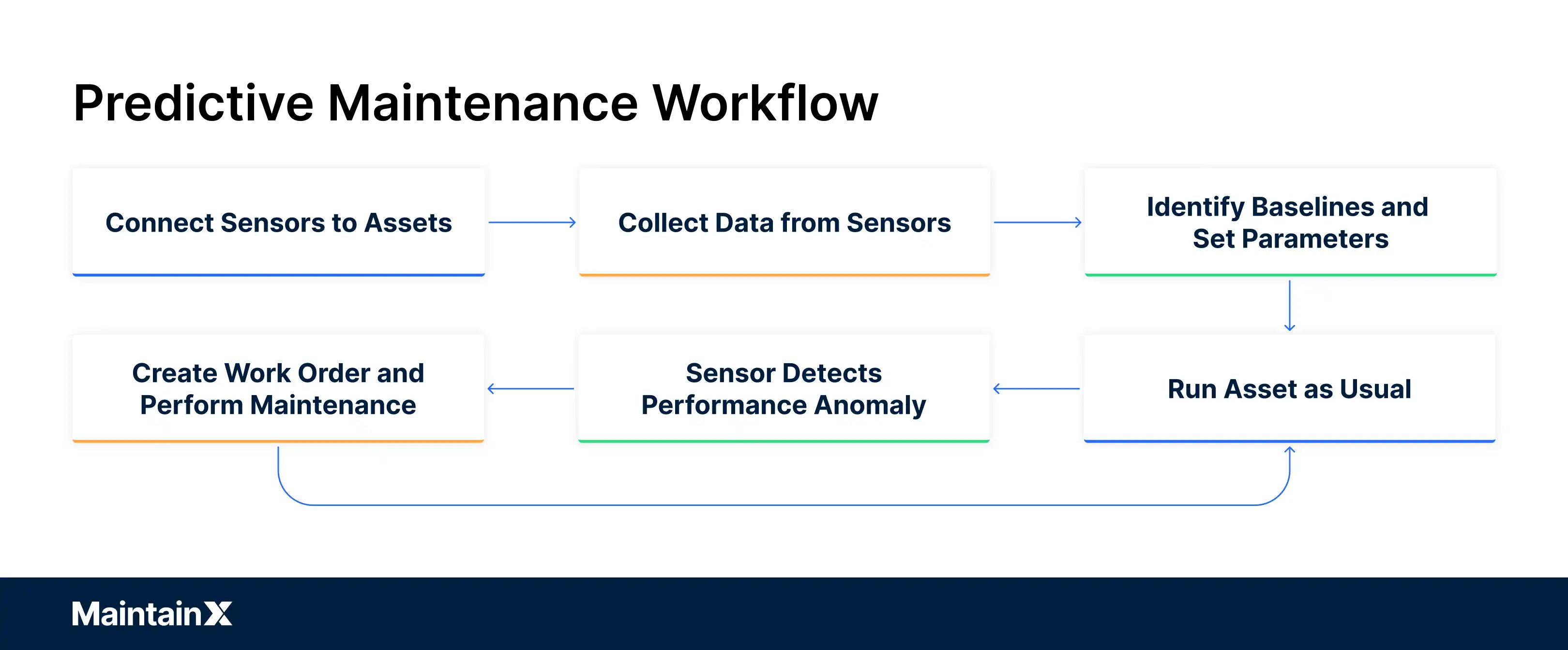
Predictive maintenance uses sensors and data to forecast issues. Machines with sensors send real-time information about wear and tear. Algorithms analyze data to predict failures before they happen. This approach prevents breakdowns and extends equipment life. It saves costs by fixing problems early, not after they grow.

Credit: safetyculture.com
Environmental And Sustainability Considerations
Maintaining tools and equipment isn’t just about keeping them working well; it also impacts the environment and your sustainability goals. How you manage maintenance can reduce waste, save energy, and protect natural resources. Paying attention to these factors helps you create a responsible and cost-effective maintenance routine.
Choosing Eco-friendly Maintenance Products
Your choice of cleaning agents, lubricants, and other maintenance products matters. Look for biodegradable, non-toxic options that reduce harmful chemical runoff. Using eco-friendly products can protect your workspace and the environment without sacrificing effectiveness.
Have you ever considered how much damage harsh chemicals might cause over time? Switching to greener alternatives not only safeguards your health but also aligns with sustainable practices.
Proper Waste Disposal And Recycling
Maintenance generates waste like used oils, worn-out parts, and cleaning residues. Proper disposal prevents environmental contamination and complies with legal regulations. Setting up clear recycling and disposal procedures helps you manage waste responsibly.
- Collect used oils separately and send them to authorized recyclers.
- Recycle metal parts and batteries instead of discarding them.
- Dispose of hazardous materials according to local guidelines.
Do you have a system in place to track and separate waste materials during maintenance? It’s a simple step that can make a big difference.
Energy Efficiency In Maintenance Practices
Reducing energy use during maintenance saves costs and lowers your carbon footprint. Use energy-efficient tools and turn off equipment when not in use. Simple actions like scheduling maintenance during daylight hours can cut down on electricity consumption.
Have you noticed how small energy-saving habits add up? These efforts contribute to a greener operation and often improve overall maintenance quality.
Frequently Asked Questions
What Are The Basic Tool Maintenance Requirements?
Basic tool maintenance includes regular cleaning, proper storage, lubrication, and timely inspections to ensure functionality and safety. Always follow manufacturer guidelines for specific care instructions.
How Often Should Equipment Maintenance Be Performed?
Equipment maintenance should be scheduled based on usage intensity and manufacturer recommendations. Regular checks prevent breakdowns and extend equipment lifespan.
Why Is Proper Tool Storage Important?
Proper tool storage prevents damage, reduces wear, and ensures tools remain safe and ready for use. It also minimizes the risk of accidents.
What Safety Measures Are Needed During Maintenance?
Use personal protective equipment, disconnect power sources, and follow safety protocols to avoid injuries during tool and equipment maintenance.
Conclusion
Proper maintenance keeps tools and equipment working well. Regular checks help find problems early. Clean and store tools in a safe place. Use the right methods to repair and care for equipment. Following these simple steps saves money and time.
It also improves safety and work quality. Good maintenance protects your investment and boosts efficiency. Keep these general requirements in mind for lasting tools and equipment.